

That burned-on grease at the bottom of your oven has probably been there for months. You keep telling yourself you’ll deal with it — but the idea of scrubbing with chemical fumes filling your kitchen is enough to make you put it off again. The good news is that you don’t need store-bought oven sprays loaded with harsh ingredients to get the job done.
Thank you for reading this post, don't forget to subscribe!You can deep clean the oven at home using things you likely already have in your pantry. No harsh fumes, no chemical residue on food surfaces, and no ruined weekend. This guide walks you through the whole process — from the racks to the glass door — using safe, proven methods that actually work.
Why Skip the Chemical Cleaners?
Most commercial oven sprays use sodium hydroxide (lye) or butane as active agents. These work fast, but they leave behind residue that can burn off the next time you cook — releasing fumes into your food. If you have kids, pets, or anyone with respiratory sensitivities at home, that’s a real concern worth taking seriously.
A non toxic oven cleaner doesn’t just protect your health. It also protects your oven’s interior. Harsh chemicals can degrade the enamel coating inside your oven over time, especially with frequent use. Natural alternatives clean just as effectively when applied correctly — and they don’t carry those hidden costs.
What You’ll Need Before You Start
You don’t need to buy anything special. The most effective natural oven cleaner combination is baking soda and white vinegar — two pantry staples that work together through a simple chemical reaction to break down carbon deposits and grease buildup. Here’s your full supply list:
• Baking soda (at least half a cup)
• White vinegar in a spray bottle
• Dish soap (a few drops)
• Warm water
• A plastic or silicone scraper
• A damp microfiber cloth or sponge
• Rubber gloves
• A large plastic bag or bathtub for soaking racks
That’s it. Nothing you need to order or pick up from a specialty store. These supplies handle everything from light residue to heavy grease buildup, depending on how long you let them work.
Step-by-Step: How to Clean Oven Without Chemicals
Step 1 — Remove and Soak the Racks
Remove your oven racks completely before doing any other thing. Learning how to properly clean oven racks is only half the battle since the baked-on grease can’t be removed by an easy wipe. Fill your tub or large bucket with hot water. Add some drops of dish soap and immerse the racks in it completely. Then let them soak for a minimum of 2 to 4 hoursan overnight soak is ideal.
Once the grease is soaked, it is able to soften enough to remove using a sponge or a scrub brush with no effort. If you have trouble with hard to remove spots, sprinkle a bit of baking soda directly onto the surface and rub. Cleanse thoroughly, then dry before returning them. This oven rack soak and restoration technique keeps the metal safe from scratching with pads that are abrasive.
Step 2 — Apply the Baking Soda Paste
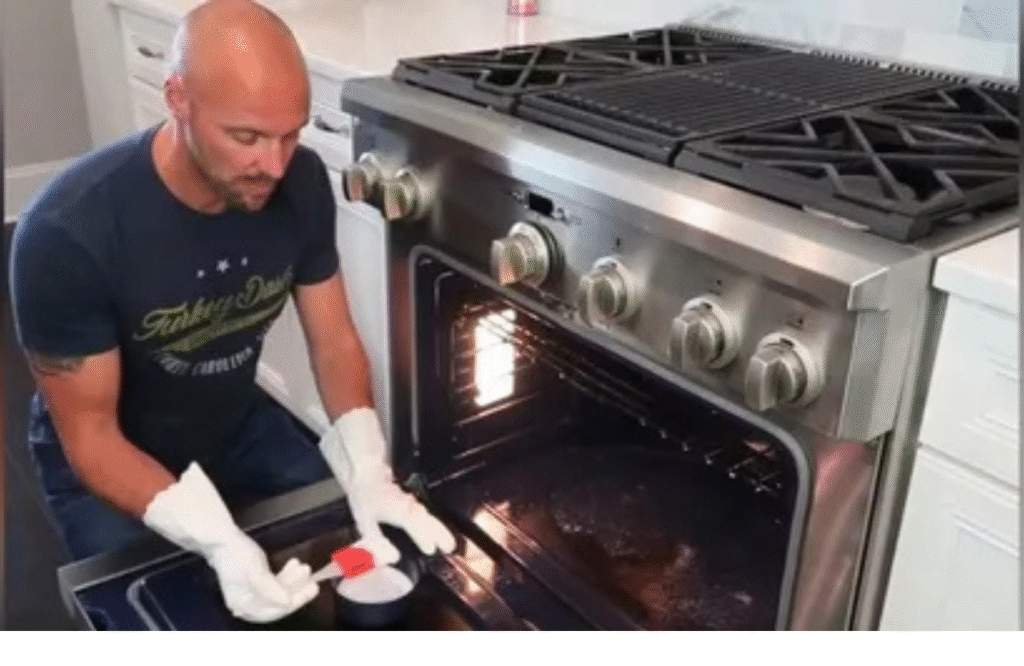
Mix half one cup baking soda with a little water to create a thick paste. The consistency of toothpaste works. Wear glove and rub the mixture over every surface inside your oven. This includes the sides, the bottom back wall, sides, and the interior of your door. Beware of heating elements if you own one that is electric.
Baking soda as well as vinegar cleansing procedure starts here, however do not add vinegar until you are ready. The paste should be left to rest for at minimum 12 hours. It is best to let it sit overnight. Baking soda gradually reduces the buildup of grease and carbon deposits as you rest, doing all the hard work for you.
Step 3 — Wipe and Spray
Once the paste has had a chance to take effect, use an absorbent sponge or cloth to remove it. Make use of a plastic scraper to remove any hard, clumpy accumulations — this is a safe and heat-resistant internal scrubbing method that is safe from scratching the oven’s enamel liner. The grime will be lifted in a much shorter time than dry scrubbing.
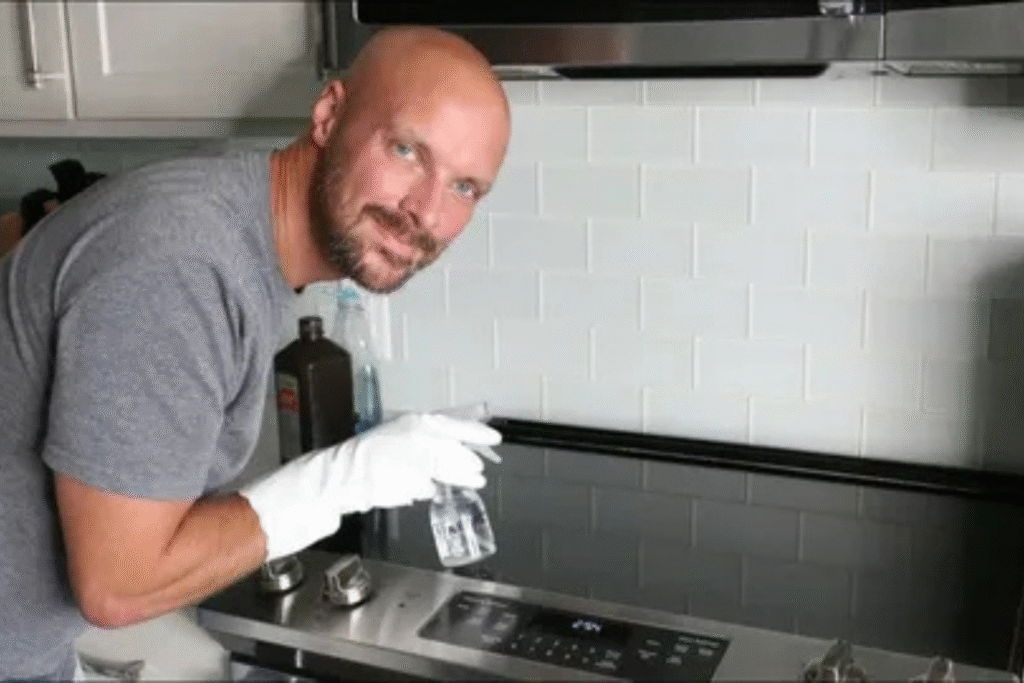
When the majority of the paste has been removed then fill a spray bottle with white vinegar, and then spray the surfaces on the inside. You’ll see a faint flashing of light — that’s acidity of the vinegar interacting with the remaining baking soda. it will help loosen any remaining particles of the paste. Cleanse everything using new, clean cloth.
Step 4 — Clean the Oven Door Glass
The glass door receives its own focus. Create a fresh baking soda-based paste. and apply it to the interior of the glass and allow it to rest for 30 minutes. Make gentle circular motions using an un-scratchable pad, and then wipe it clean. If you have a hard water haze or a build-up of smoke residue, spraying a small amount of white vinegar onto the area after wiping can do well in making it clear.
Step 5 — Deodorize and Finish
After cleaning everything After that, keep the oven door left open for 30 mins in order to air it out. In order to neutralize the smell of closed appliances, put a small oven-safe dish with lemon slices and water inside. Run the oven at 250 degrees over 20 mins. This eliminates any smell that remains and makes the oven smell fresh and not like the cleaning products.
A Note on Self-Cleaning Cycles
A lot of ovens come with an internal self-cleaning process
which uses high temperatures often as high as 900degF to remove any remaining residue. It’s effective however, it has some trade-offs that are worth knowing. The self-cleaning cycle of the oven’s safety rules include opening windows, removing pets from the room and avoiding going out of the home while the oven is running due to the fumes generated by burning leftovers.
The self-cleaning process also places an enormous strain on your oven’s parts, and some manufacturers have noted that it can cause the failure of a thermal fuse. Most people prefer baking soda as it is less harmful, more gentle in the oven and is equally efficient for routine maintenance cleaning. The self-clean is best used in extremely difficult situations.
How to Clean Oven Fast When You’re Short on Time
If you have to clear the oven quickly prior to the arrival of guests or before the big cookout do not soak overnight. Apply the baking soda paste, and then immediately spray vinegar on the surface. Let the bubbling reaction take place for about 20-30 hours. It won’t be as effective as an overnight soak, however it can manage superficial grease and slight buildup in a fraction its time.
For racks an hour-long hot bath with dish soap and an intensive scrub will clean anything that isn’t baked deeply. This approach can be used as a quick-clean in between more thorough cleaning sessions. Regular maintenance is the most effective oven cleaning method available. small-scale cleanups can prevent the accumulation that can take several hours to remove.
Keep It Clean: Maintenance Tips That Actually Stick
The best time to address a spill is right after it happens — once it cools slightly, wipe it up with a damp cloth before it bakes on. Placing a silicone oven liner or a sheet of foil on the bottom rack catches drips before they become a problem. These small habits cut your deep clean time in half.
Using eco-friendly cleaning agents like baking soda, castile soap, and white vinegar for routine wipe-downs keeps grease from building up in the first place. These are food-safe surface sanitization methods that won’t leave any chemical film behind. A clean oven also runs more efficiently — so there’s a practical benefit beyond just the appearance.
Ready for a Truly Deep Clean? Let All City Cleaning Services Handle It.
Your oven is clean — but what about the rest of your home? All City Cleaning Services LLC in Lacey, WA provides professional house cleaning, move-out cleaning, and carpet cleaning services that go far beyond what a DIY session can achieve. Our carpet cleaning team removes embedded dirt, allergens, and stains using safe, effective methods — the same commitment to results you just applied to your oven.
Visit or call us today to book your carpet cleaning appointment. Serving Lacey, WA and surrounding areas.
Frequently Asked Questions
Is baking soda safe to use inside my oven?
Yes. Baking soda is a food-safe compound, so any residue left after cleaning won’t harm food. Just make sure you wipe the interior thoroughly before cooking again to remove any leftover paste.
How long should I leave the baking soda paste in the oven?
For best results, leave it for at least 12 hours — overnight works perfectly. If you’re short on time, 30 minutes with a vinegar spray over the top will still make a noticeable difference on lighter buildup.
Can I use this method on a gas oven?
Yes, with one caution: keep the baking soda paste away from the gas burner ports and igniters. Clean those areas with a damp cloth only. Everything else — the walls, bottom, door, and racks — can be cleaned using the same method described here.
How often should I deep clean my oven?
A thorough deep clean every three to six months is a good target for most households. A quick wipe-down after heavy cooking sessions in between will keep things manageable and prevent heavy buildup from forming.
What if the smell doesn’t go away after cleaning?
Run the lemon water deodorizing step described in Step 5. If odor persists, there may be residue in hard-to-reach areas around the heating element or door seal. A second round of baking soda paste on those spots usually solves it.


