

Winter hits rural spots hard. Imagine the following situation: Your long driveway is covered with feet of snow, the access to the barn is blocked, and that old tractor you have to perform your chores with is immobilized in one of the drifts. When you are on a farm, ranch or large country lot, snow clearing country property becomes a battle. However, by intelligent planning, you will be able to have things covered and in motion.
Thank you for reading this post, don't forget to subscribe!I have cleared my portion of the country driveways at various times, and I have a clue of the aggravation. The distance will imply no fast urban ploughs, and you or a professional will be in charge of snow removal on the property. These tips to clear snow around the rural areas will ensure that you are ahead of others, your house is not damaged and you are not left with headaches.
Why Rural Snow Removal Is Tougher Than City Life
There are benefits involved in living in the country, such as space and air. However, snow management on country property becomes complicated within a short time when the snow falls. Streets of the city are plowed in a jiffy, but your driveway, half a mile? Not so much.
Driveways and private roads are time and energy-consuming. Include outbuildings, barns, and farm equipment and the snow accumulation is blocking what you need the most. Snow clearing on the farm and ranch is not all about appearance, but survival. A single large storm is capable of covering tractors, feeders, or even livestock trails.
Limited help makes it worse. There is no city trucking that goes to the outlying parts and you have to take it on yourself or call country experts. The management of the snow and ice here implies grappling with the snow drifts on the open fields, not only the sidewalks. That is why snow clearing in residential rural areas frequently requires larger equipment and strategies.
Where Snow Hits Rural Properties Hardest
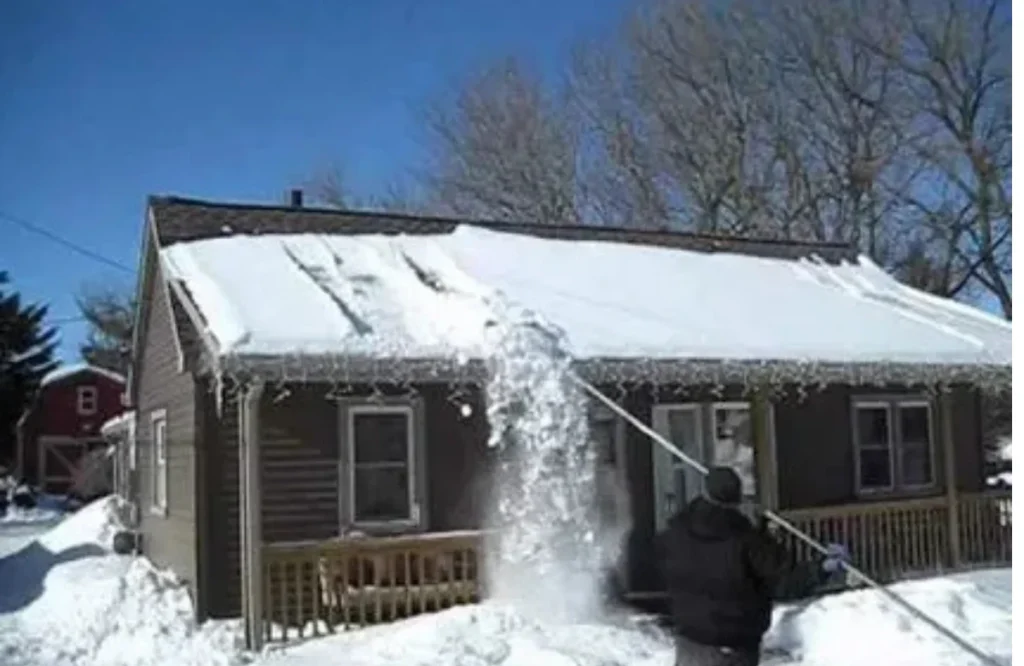
Snow does not accumulate the same way in the countryside. It flows into a driveway, gates and low areas with wind blowing on the fields. The snow clearing of driveways and paths takes the first and foremost priority block it, and you are at a standstill.
Imagine your installation: Winding country road snow solution, flagship to a house, garage and sheds. Halting chores, bury the barns and coops. The snow tips of remote property emphasize this since bad clearing causes slips, stuck cars, or pipes that are frozen pipes.
Utility spots suffer too. Pumps, generators or wood piles are covered with snow. Farm areas have to be cleared of snow plowing to get access to hay or equipment. Rural home winter cleanup at these hotspots helps ensure that daily life continues.
Essential Snow Removal Tips for Rural Properties
This is where it is all about being winter-ready. The tips given for snow removal in the rural areas are not universal; they suit your large areas and your rough environments. We will go there with serious actions, actual tools and illustrations to ensure that it sticks. Stake your aim at getting the snow removed in the country without carrying your back or bank.
Plan Your Attack Zones First
Begin your planning of attack zones. Draw a map: Identify the main driveway (usually 500 and feet in rural areas), the access to barns, and emergency roads. Stake or reflect before the snow falls. This will eliminate unintentional plowing across the fences or landscaping. In case of farm and ranch snow clearing, pad equipment, there is nothing so bad as digging out a tractor in the middle of a snow-squall.
Gear Up with the Right Tools
Gear up right. Rural jobs demand power. A snow blower that walks behind is useful on the paths, but a tractor with a plow attachment is needed on the driveways. Machines such as the front-mount blades of John Deere can process 10 feet with ease. Farm snow plowing is gleaming here, add tire chains to get on the ice gravel.
Budget tip: Rent first to test. Keep blades sharp, engines running pre-season; a dull edge is only going to move snow around.
Clear Smart and Often
Clear, smart, not hard. Clear the snow off the driveways and paths at an early stage as much as possible. When it is 2-4 inches deep, either blow or plow it off. Waiting for 12 inches? You’ll fight ice underneath. Snow pushed to the side by angled plows never on buildings–it melts and refreezes into disastrous ice dams.
Weed: On my friend’s 20-acre farm, there were cows in the barn daily in half an hour, with no accidents or hold-ups.
Master Ice Management
Tackle ice like a pro. Snow and ice management does not merely imply snow pushing. Melt using rock salt or calcium chloride (fortunately, less harmful to animals and plants). Dispersed evenly- 1-2 pounds/100 square feet. On gravel, sand should be used for traction.
Pro tip: Prepare before the storms by spraying liquid de-icers on your ATV.
Stick to a Regular Schedule
Frequency is key. Clear regularly, particularly when the wind shifts or drifts. Fewer jobs (fewer than 6 inches) require half of the work. Professional snow removal services are subject to a seasonal contract, which spares weekends when most rural contracts do the plowing on-call at a charge of between $50-$100 each visit. In a storm in the Midwest in 2024, the contract of one of the farmers had a drive of 1,000 feet open and neighbors were shoveling days afterward.
Protect Your Structures and Land
Protect what matters. Snow piles should be pushed away around the foundations, fences and trees. Mounds of soil warm up and below-ground areas are flooded. Tarps should be placed on landscaping beds. In the whiteout conditions, edges are marked with the help of solar lights or flags. In case of distant property snow tips, this will prevent expensive repairs such as broken siding due to the weight of ice.
Prep for Emergencies
Rural snow removal preparation in an emergency. Power failures, storms blow in, can lose the roads. Chainsaws of the fallen timber, shovels, and gasoline. Have a place where generators can be kept. Assign a neighbor plowтьbuddy or obtain hires.
True tale: A distant Colorado homesteader was able to rescue himself using a quad with a plow to get to a 3-foot dump, as a result of pre-planned routes.
Layer Your Clearing Strategy
Layer your strategy. Mix methods: plow main areas, shovel steps, blower for roofs (watch avalanches!). Track weather apps for 7-day forecasts. Adjust for your soil, clay holds ice longer than sand. Winter property maintenance includes roof rakes to prevent collapses on sheds.
Scale Tools to Your Property Size
Scale for your size. Small homestead? An electric blower suffices. Big ranch? Invest in a skid-steer loader. Cost example: A used tractor setup runs $5,000-$15,000 but pays off in time. Train family, rotate shifts to beat fatigue.
Go Eco-Friendly When Possible
Eco-friendly twists. Skip harsh chemicals; try beet juice de-icers or wool pellets. They work more coldly and harm less wildlife. For efficient snow clearing in the countryside, mulch clippings under snow insulate paths come spring.
Dodge These Common Pitfalls
Common pitfalls to dodge. Don’t plow wet snow, it compacts. Avoid metal roofs without heat tape; snow slides bury doors. Test equipment weekly. In wet climates, gravel driveways need more sand mixes.
These steps turn chaos into control. Families on 10-acre plots swear by them, safer kids to school, animals fed, and no missed vet calls. Tailor to your spot: measure driveway length, note wind patterns, list must-clear zones. Boom, winter tamed.
Safety Tips for Rural Snow Removal
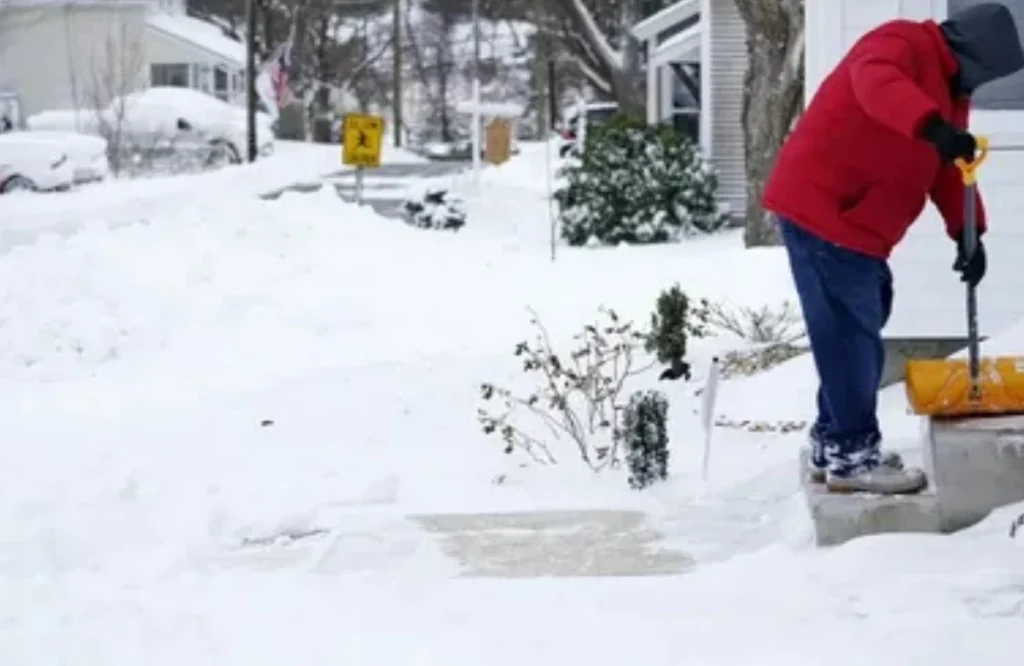
Stay safe out there. Rural work is remote, so slips or strains hit harder. Wear layered clothes, gloves, and boots with deep treads. Winter safety for rural properties starts with no bare hands in the cold.
- Take breaks every 20 minutes; a long rural driveway, snow solutions, tire you fast.
- Work with a buddy or tell someone your plan, cell service is spotty.
- Use lights at dawn/dusk; headlamps for night pushes.
- Lift with legs, not back; push snow when possible.
- Watch for “whiteouts” hiding hazards like ditches.
Overexertion sneaks up, hydrate even in cold.
Benefits of Professional Snow Removal for Rural Properties
Why go pro? Professional snow removal services handle the grind, freeing you for farm chores.
- Time saver: They clear acres in hours, not days.
- Safety boost: Experts avoid injuries with insured gear.
- Property shield: Proper methods prevent driveway cracks or fence damage.
- Reliability: 24/7 for emergency rural snow removal.
- Value add: Keeps access open, boosting home worth.
One client cut stress by 80% switching pros, more family time, less hassle.
Conclusion
Snow on rural properties tests your grit, but these tips make it manageable. Plan zones, gear up, clear often, stay safe, and consider pros for backup. Your farm, ranch, or home stays accessible and damage-free all winter.
Need reliable snow removal for your rural home or farm? Contact All City Cleaning Services today for expert, on-time professional snow removal services tailored to country life.
FAQs
Q: How often should I clear snow on a rural driveway?
A: Clear after every 2-4 inches to avoid ice. Frequent small jobs beat one big battle; aim for daily in heavy seasons.
Q: What’s the best equipment for farm and ranch snow clearing?
A: Tractors with plows or skid-steers work best for big areas. Snow blowers suit paths; rent starts cheap.
Q: Are professional snow removal services worth it for remote properties?
A: Yes, they save time, reduce injury risk, and handle emergencies. Look for rural specialists with contracts.
Q: How do I prevent ice on gravel rural driveways?
A: Pre-treat with salt/sand mixes and plow early. Calcium chloride melts better in sub-zero temperatures without harming grass.
Q: What are quick remote property snow tips for beginners?
A: Stake paths, stock fuel/tools, and clear high-traffic spots first. Notify neighbors for backup.
Q: Can snow damage rural fences or buildings?
A: Yes, piles cause thawing floods or weight cracks. Push snow away and rake roofs regularly.


