

With a healthcare environment where each second matters and each choice can be a life or death situation, one of the factors that has received little attention and is a silent hero is cleanliness. Professional medical cleaning services not only ensure hospitals always stay clean, but they also form the much-needed basis of hospital cleaning efficiency, which saves lives daily. Imagine a room in which the germs are afraid to be, where all the surfaces shine with the potential of protection, and where all the patient rooms are always available to get well at any hour of the day. It is not just tidiness; it is a potent barrier against infection, an accelerant to less complicated business processes, and a boost to increase employee efficiency.
Thank you for reading this post, don't forget to subscribe!Cleanliness in hospitals is the unseen fiber that brings together the safety of patients, the successful running of the hospital and the care trust. These critical environments are turned into oiled machines by professional medical cleaning services, where each corner and equipment contributes to the care mission. In this sacred space, cleanliness translates to life, efficiency and hope, whereby hospitals operate in every day of their existence in a better manner.
The Link Between Hospital Cleaning and Efficiency
The seriousness of the effects of not taking care of the hospital is severely evident in terms of productivity. Unclean places present fertile grounds to foreign invaders, germs and bacteria, giving rise to hospital-acquired infections (HAIs), which haunt the patients anew. This causes not only pain but also financial consequences with long stays and readmission.
Cleaning is a religious thing to do for health. It guarantees the control of hospital infections and this is precise and meets the requirements of the medical facilities. This creates an environment of trust that the patients and families hold on to, knowing that the care environment is a place of sanctity. The cleaning standards of the medical facilities are not the rules; they are the lines to efficiency and survival.
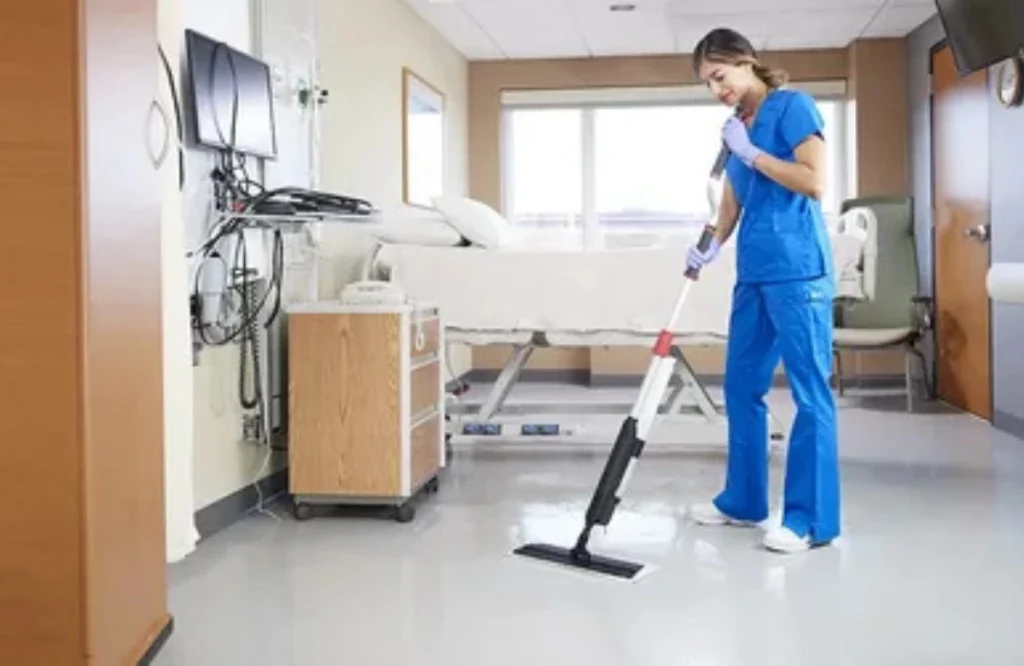
Key Ways Professional Cleaning Enhances Hospital Operations
1. Reducing Infection Risks
Nothing, in the war against invisible men, is firmer than a sterile environment. The cleaning procedures of professional medical cleaning services are focused on every section of the patient rooms, working theatres and equipment, which are meticulously cleaned. This destruction of bacteria and viruses augurs lesser complications for those who are already compromised, leaving many of them spared.
The cleaning is a form of preserving and protecting life itself, making it possible to heal rather than do harm, as the prevention of hospital-acquired infection is at the core of the cleaning. The battle is silent and every day it is the clinical cleaning teams fighting, and the victory is celebrated in each recovery.
2. Streamlining Patient Turnover
No one can escape death, so hospitals must keep changing beds rapidly to accommodate the living. Clean and ready rooms provide hope in a crowded ward to reduce the suffering of waiting to be attended to. In this case, decreasing patient turnover time is more of a responsibility than efficiency; it is a duty to life.
Professional cleaners make sure that the environmental services in hospitals become more efficient, which leads to quicker preparation. The tidal wave of admissions and discharges is in harmony so that the hospitals are not overwhelmed by the overflow of patients. A victory has no room left to wait.
3. Supporting Staff Productivity
Medical practitioners are warriors who are concerned with their divine mission to save lives. The trash and mess due to uncleaned cleaning rob the time, time to search for the sanitized equipment or space clearance.
A neat atmosphere fosters staff productivity in the health care setting and nurses and doctors will have enough time to focus on patients. Benefits of the clinical cleaning services go beyond hygiene; they give teams power. Medical cleaning services are professional and, therefore, serve as reliable assistants and help the caregivers work without any confusion and hurry caused by clutter.
4. Compliance with Health Standards
Hospitals are under the nosey attention of numerous watchdogs, namely, regulatory agencies that are insistent on compliance with stringent hygiene models. The non-adherence will result in sanctions, litigation, and bad publicity.
Cleaning by professionals ensures that hospitals have the required cleaning standards that meet the medical facilities’ cleaning requirements continuously, avoiding such fates. Professional healthcare janitorial services represent the shield that protects against such blows and guarantees continuous care and saved trust. Such compliance aids the hospital’s cleanliness, which influences productivity, maintaining workflow and elements within legal systems.
Specialized Cleaning Services That Boost Efficiency
There are even more precise spaces that are required in the hospital. These are the places where the most important conflicts of life take place, where hygiene is to be raised to the level of almost sacred.
- Operating Room Cleaning: Surgical rooms should be a sterile environment that is resistant to contamination. Their preparedness is the key to fast and effective processes.
- ICU Sanitation: This is the borderline of infection prevention that requires observing strict cleaning measures to avoid cross-contamination in highly vulnerable patients.
- Cleaning of Medical Equipment: In case there is no effective disinfection of tools, efficiency would fail. Sanitization of medical equipment is also a guarantee of safety and fluidity of operations.
- Common Areas and Staff Zones: These areas will ensure protection against infection and increase morale since they remind the staff that they are in an environment that supports their well-being.
All these specialized services combined further strengthen hospital infection control and cleaning and further enhance the efficiency of hospital environmental services to new levels.
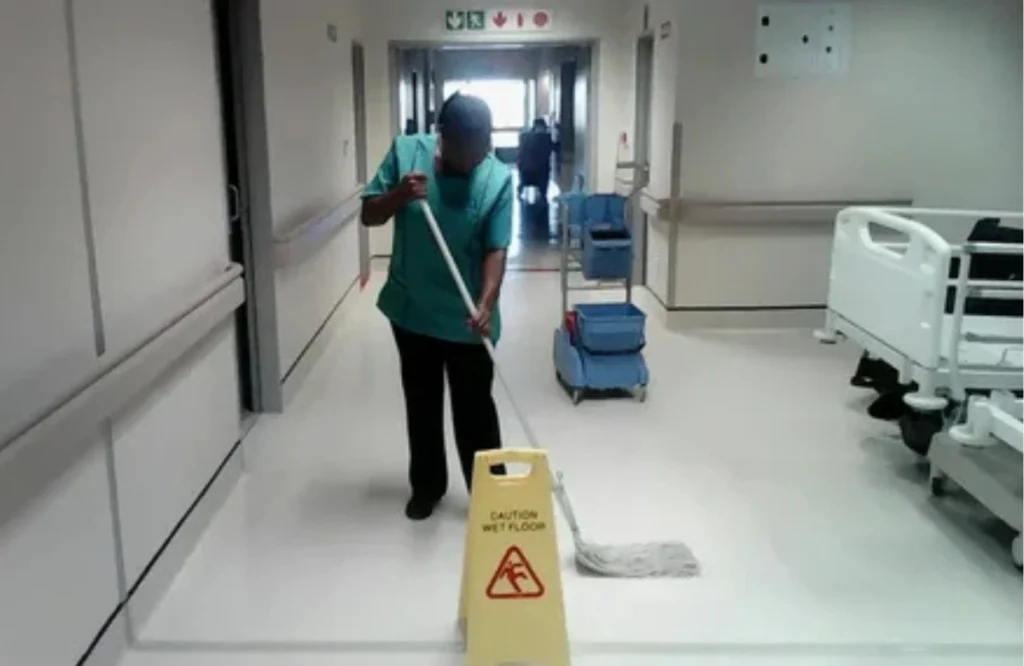
Tips for Maintaining Hospital Efficiency Between Deep Cleans
Efficiency is a continuous effort. Hospitals must not rely solely on periodic deep cleans but cultivate a culture of ongoing hygiene vigilance.
- Implement daily sanitation checklists to ensure routine tasks are never overlooked.
- Train staff rigorously on basic hygiene and infection prevention; everyone plays a part.
- Schedule regular professional deep cleaning, especially for high-risk areas, preserving the sanctity of spaces that matter most.
- Use audits and feedback loops to monitor effectiveness, refining protocols and holding standards to account.
These strategies keep the torch of healthcare cleaning operational benefits burning brightly, driving hospital cleaning efficiency every day.
Conclusion:
In the final analysis, the role of professional cleaning in hospitals transcends mere surface appearance. It is an essential pillar supporting patient safety, speeding patient turnover, and enhancing staff capabilities. Investing in professional medical cleaning services is investing in life itself.
When hospitals embrace expert cleaning, they support safer environments, happier patients, and more efficient operations. The quiet, tireless work of cleaning teams ensures that healing can proceed uninterrupted and lives can be saved with dignity and speed. For hospitals seeking to elevate their care and efficiency, the call is clear.
Enhance hospital efficiency and patient safety by hiring professional medical cleaning services today. All City Cleaning Services stand ready to be your steadfast partner in this vital mission.
FAQ’s
Q: How does hospital cleaning efficiency affect patient outcomes?
A: Efficient hospital cleaning dramatically reduces hospital-acquired infections, lowering patient complications and readmission rates.
Q: What benefits do professional medical cleaning services provide for healthcare facilities?
A: They enhance hospital sanitation, impact productivity, improve patient turnover time, and ensure compliance with medical facility cleaning standards.
Q: Does hospital cleaning affect staff productivity?
A: Absolutely. Clean environments improve healthcare staff productivity by minimizing time wasted on searching or handling clutter.
Q: How often should deep cleaning be scheduled in hospitals?
A: Regular scheduling for high-risk areas maintains the highest standards of hospital environmental services efficiency and safety.
Q: What specialized cleaning services are essential in hospitals?
A: Critical services include operating room cleaning, ICU sanitation, and medical equipment sanitization, all essential for infection control.


